
Rather, it could be because of paying dividends to shareholders, capital expenditures, or a change in liquid assets. It might also be because of different financial modelling, or because a business needs more or less working capital. Retained earnings represent a company’s total earnings after it accounts for dividends. You calculate retained earnings at the end of every accounting period. You could also elect to record retained earnings on separate statement of retained earnings. When a company consistently retains part of its earnings and demonstrates a history of profitability, it’s a good indicator of financial health and growth potential.
- The purpose of retained earnings is to reinvest in the company’s operations and growth, using the earnings the company has made from its operations.
- They’re the portion you choose not to distribute as dividends to shareholders.
- The retained earnings concept is less distinct here, although partners may decide to leave profits in the business to fund growth.
- Nonetheless, the accounting is similar to other deductions from the retained earnings balance.
- Use a retained earnings formula to track how much your business has accumulated.
- It is essential to distinguish retained earnings from cash flow, as they represent different financial concepts.
- The Retained Earnings account can be negative due to large, cumulative net losses.
Find your net income (or loss) for the current period
For example, retained earnings are particularly important for young companies and those in the growth phase. Those companies might not pay any dividends at all and instead retain all of their profits to invest in the company’s growth. Rather than paying these earnings out as dividends, companies keep them to reinvest in the business.
How can retained earnings be used for future growth?

It suggests that you put surplus income back into the company wisely, contributing to its sustainable stability and creating opportunities for future growth. Retained earnings accumulate all profits and losses from when a company starts operating. However, it also deducts dividends from those amounts before reporting them on the balance sheet. Essentially, these is retained earnings an asset include the distribution of income for a period to shareholders. Calculating net income from retained earnings provides valuable insights into a company’s financial performance.
- On the other hand, a company that’s growing quickly is likely to have a higher retained earnings ratio.
- These are retained by the company to be reinvested in its core business or to pay debt.
- On the other hand, a company with strong cash flow and growing retained earnings is often seen as financially healthy and capable of funding future investments.
- While book value may not represent market value directly, a strong retained earnings balance tends to correlate with higher equity value.
- Excessive retained earnings cause shareholder dissatisfaction because it reduces the dividends payable to them.
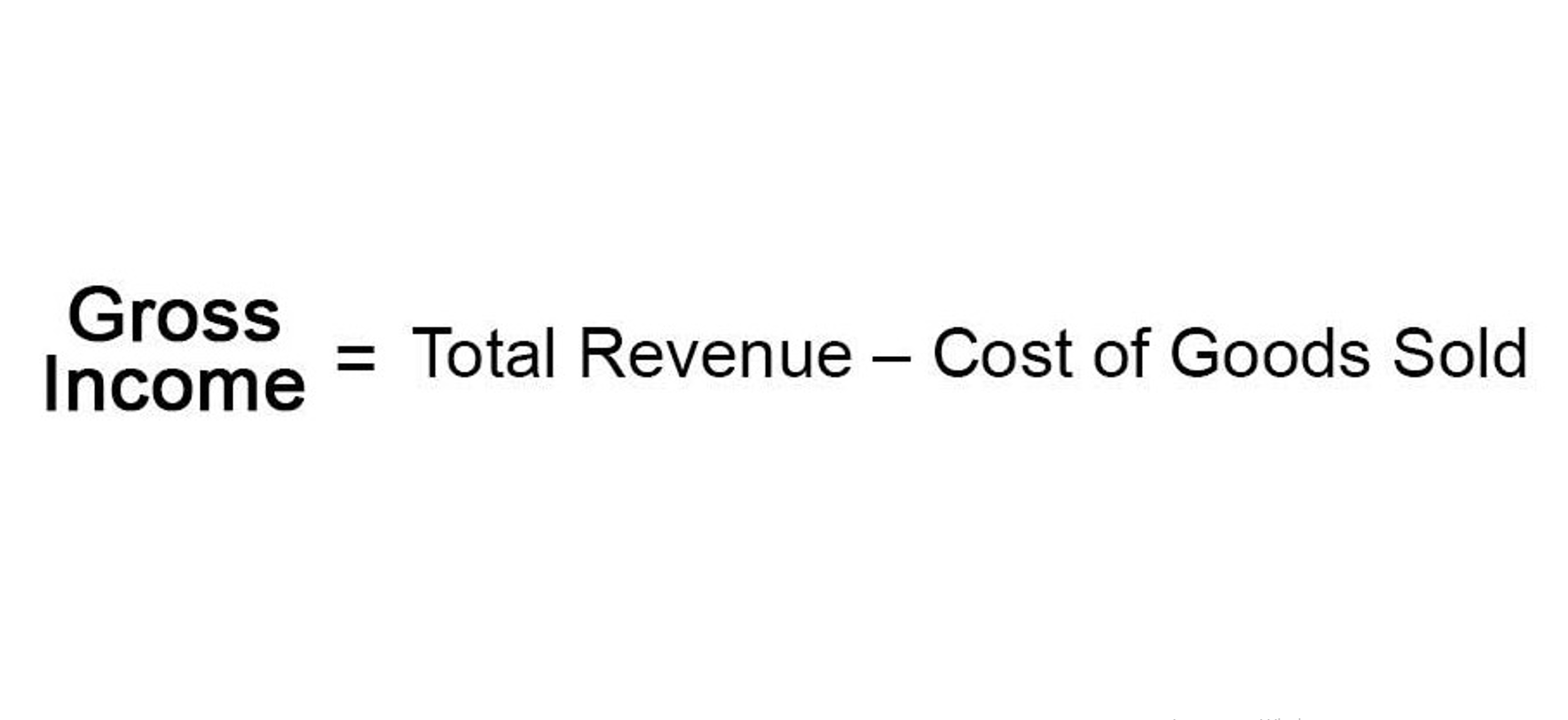
- Revenue is the income earned from the sale of goods or services a company produces.
- Within the context of a company or business, retained earnings represent the accumulated net income of the company that is retained by them at any one time.
What is the difference between net income and retained earnings?
Technically speaking, retained earnings are not an asset in their basic form. They are merely a line on an equity statement, but there are several things that can indeed be done to make them an asset. Beginning retained earnings are generally the retained earnings of the previous financial year.
- As you can see there is a heavy focus on financial modeling, finance, Excel, business valuation, budgeting/forecasting, PowerPoint presentations, accounting and business strategy.
- Tracing the exact use of retained earnings is often impossible and, from an accounting perspective, unnecessary.
- Retain earnings are the net operating profits retained by the corporation as extra shareholder equity capital.
- The amount of retained earnings is reported in the stockholders’ equity section of the corporation’s balance sheet.
- Retained earnings provide a much clearer picture of your business’ financial health than net income can.
Retained Earnings and Cash Flow: Understanding the Difference

As previously stated, retained earnings can be paid to investors, used to grow product offerings, or even used to pay off company debts. Additionally, stockholders could see the benefits that future use offers over dividend payments. Subsequently, this capital could be used to increase productivity or aid the company overall. A healthy retained earnings balance can signal that the business has been profitable and has successfully reinvested earnings for growth.

They’re reported as a line item on the shareholder’s equity section of the balance sheet rather than the asset section. While you can reinvest retained earnings as assets, they are not assets on their own. When a company generates net income, it is typically recorded as a credit to the retained earnings account, increasing the balance.

Retained earnings, a crucial business asset, provide insights into a company’s financial health. By monitoring changes in retained earnings over time, businesses can gauge their future growth potential accurately. The statement of retained earnings can be helpful accounting for both internal and external use. The company might use this statement to strategize for the next reporting period and determine whether it wants to make any changes. Meanwhile, a shareholder or potential investor might use the retained earnings statement to assess a company’s financial health.

Based on the amount of net income earned, your company might decide to pay a certain portion to shareholders as dividends. Some companies don’t have dividend payouts—in that case, there’s nothing to subtract. They’re found in the balance sheet under equity and show financial health and reinvestment capacity. As a key indicator of Liability Accounts a company’s financial performance over time, retained earnings are important to investors in gauging a company’s financial health. This post will walk step by step through what retained earnings are, their importance, and provide an example.
On January 2, retained earnings is zero because the company didn’t previously exist. It’s important to note that this formula primarily applies to cash dividends. In the case of stock dividends, the calculation becomes more complex as it involves adjusting the number of outstanding shares and the par value per share. This reflects capital that the firm has earned and chosen to keep rather than pay out dividends during its existence. Liabilities are the debts, or financial obligations of a business – the money the business owes to others.